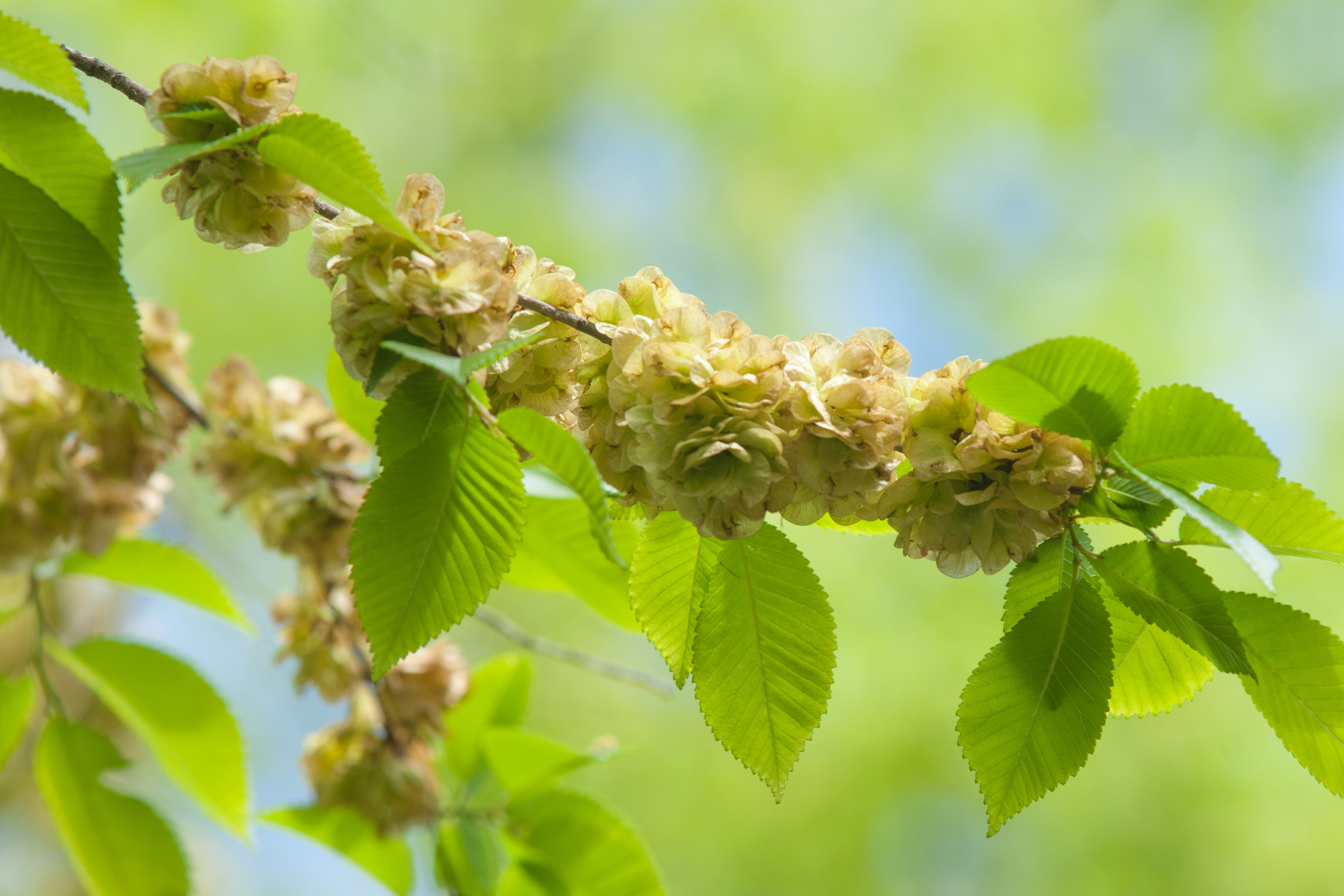
Digestive discomfort, ulcers, and inflammation of the gastrointestinal tract are common wellness concerns. Slippery elm has been traditionally used in herbal medicine for its soothing and protective effects on the stomach and intestines, making it a natural choice for supporting digestive wellness.
Objective
To highlight the traditional use of slippery elm in supporting:
-
Digestive tract comfort and gut health
-
Ulcer care and gastrointestinal protection
-
Nutrient absorption and digestive efficiency
-
Overall digestive wellness
Observed Benefits
Traditional use of slippery elm is associated with:
-
Soothing the lining of the stomach and intestines
-
Reducing irritation and discomfort from ulcers
-
Supporting healthy nutrient absorption
-
Promoting overall digestive comfort
Effects on the Body
Slippery elm contains mucilage and bioactive compounds that:
-
Form a protective coating on the digestive tract
-
Reduce inflammation and irritation in the stomach and intestines
-
Support healing and maintenance of gastrointestinal tissues
-
Enhance nutrient absorption and digestive efficiency
Outcome
Individuals regularly using slippery elm-based products commonly report:
-
Reduced digestive discomfort
-
Relief from mild ulcer symptoms
-
Improved gut health and digestion
-
Increased overall comfort and wellness
Conclusion
This case study demonstrates slippery elm’s effectiveness as a natural herbal solution for digestive tract support, ulcer care, and gut health. When consumed as tea or gummies, slippery elm offers gentle, reliable, and traditional digestive support.
Gallery
Related Case Study